Space Tech|Issue 04
Vulcan Rocket Failure Casts Shadow Over Commercial Space Access
United Launch Alliance's next-generation Vulcan rocket experienced a catastrophic failure during its inaugural launch, dealing a significant blow to the diversification of orbital launch capabilities and solidifying the current dominance of a single provider.
- By
- ARTEMIS TOKYO Editors
- Dateline
- CAPE CANAVERAL, FLORIDA
- Date
- November 15, 2026
- Time
- 3 min read
Source
Ars Technica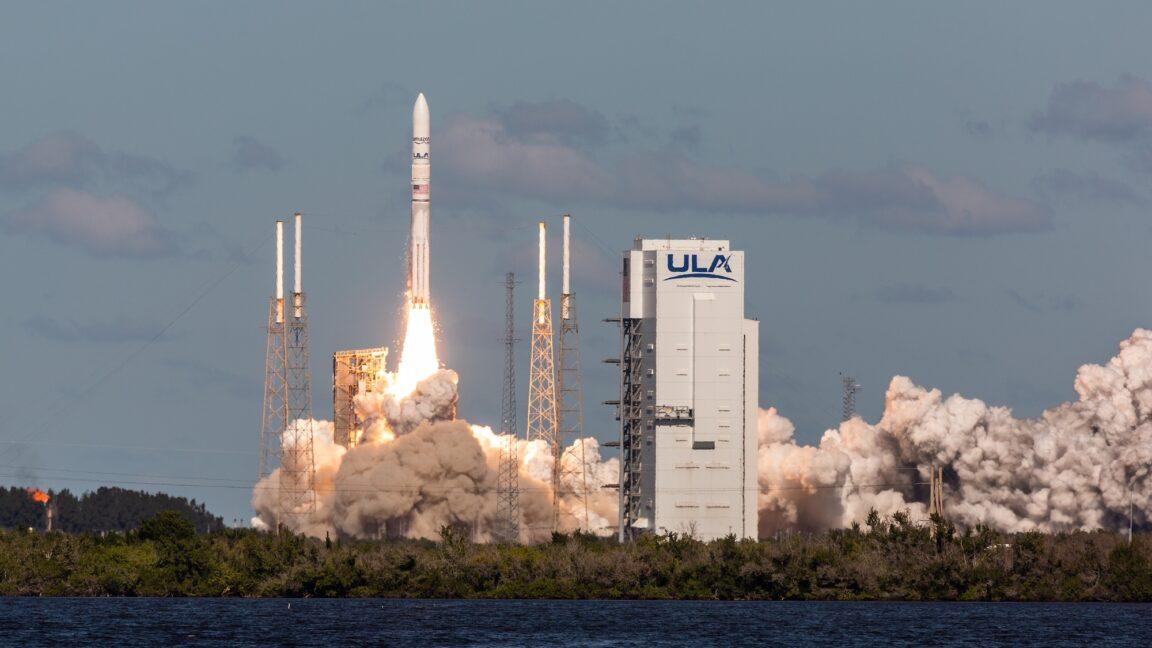
The launch of United Launch Alliance's Vulcan rocket on November 15, 2026, was intended to mark a new era for space access. Instead, the vehicle experienced a catastrophic failure shortly after liftoff, scattering debris across the launch complex. This incident casts a long shadow over the aspirations of a diversified commercial space market.
The Vulcan, ULA's next-generation launch system, was designed to replace the venerable Atlas V and Delta IV rockets, offering a more cost-effective and powerful alternative. Its maiden flight, carrying a critical payload for a government client, ended prematurely, resulting in the complete loss of the rocket and its contents.
For years, the aerospace industry has sought reliable alternatives to SpaceX's dominant Falcon 9. Vulcan was positioned as a primary contender, critical for both national security missions and the burgeoning commercial satellite sector. Its promise was a consistent, high-cadence launch capability.
This failure presents a significant setback for ULA, forcing a thorough investigation into the root cause and delaying future missions. Customers awaiting launch services, including those with sensitive national security payloads, will now face extended timelines and potential re-manifesting on other launch vehicles.
"The incident represents a major blow to SpaceX competitors."
The competitive landscape of commercial space launch is now further skewed. While other players like ArianeGroup and Rocket Lab continue to develop their offerings, ULA's stumble temporarily solidifies SpaceX's near-monopoly on high-cadence, heavy-lift launches.
For those envisioning life off-world, the reliability of a rocket is more than an engineering statistic; it is the fundamental artery of existence. Every failed launch means a delay in crucial supplies, habitat modules, scientific instruments, or even personnel required for establishing and sustaining lunar outposts or orbital stations. The very rhythm of off-world life depends on the predictable hum of successful liftoffs.
Related Reading

Space Tech
Geopolitical Realities Ascend in the Off-World Sphere
Journalist Tim Marshall offers a stark assessment of national interests shaping the future of space.

Space Tech
Lunar Regolith 3D Printing: Crafting Future Habitats from Moon Dust
New advancements in in-situ resource utilization allow for the 3D printing of structural components using lunar soil, heralding a new era for off-world architecture and sustainable habitation.

Space Tech
Hera Reveals Asteroid's Post-Impact Transformation
The European Space Agency's Hera mission has arrived at Dimorphos, observing the profound changes wrought by NASA's DART impact. The findings offer critical data for planetary defense strategies.