Space Tech|Issue 04
The Pentagon Considers a Lunar Military Fleet
As the Moon becomes a new frontier for exploration and commerce, the US military weighs establishing a dedicated satellite presence in cislunar space, reshaping the future of off-world governance.
- By
- ARTEMIS TOKYO Editors
- Dateline
- November 9, 2026
- Date
- November 9, 2026
- Time
- 3 min read
Source
Ars Technica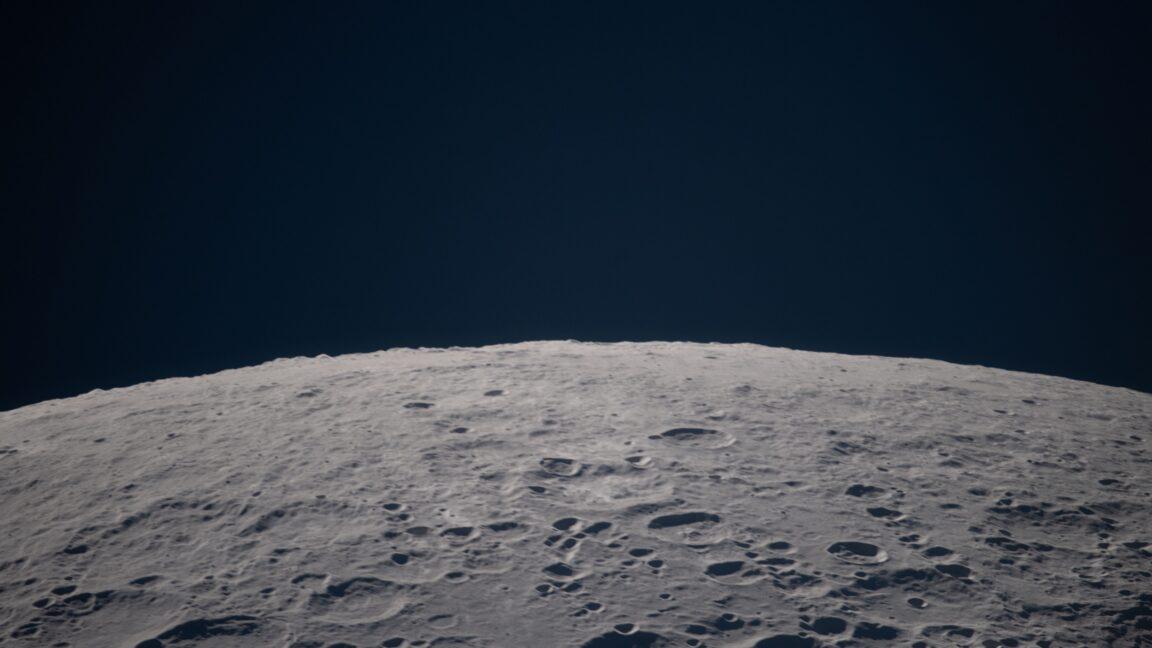
The serene vision of a lunar future, once dominated by scientific exploration and commercial promise, now confronts a starker reality. The United States Pentagon is actively considering the deployment of a dedicated fleet of military satellites into cislunar space.
This initiative aims to establish a robust and persistent presence around the Moon, extending beyond Earth's immediate gravitational influence. Such a network would provide critical capabilities for communication, navigation, and surveillance in a domain increasingly eyed by multiple nations and private entities.
The move reflects a growing recognition of the Moon's strategic significance, not merely as a scientific outpost but as a potential theatre for future geopolitical competition. As human activity expands beyond Low Earth Orbit, the need for secure and reliable infrastructure in this novel environment becomes paramount for national interests.
Unlike the early Apollo missions, which operated within a relatively benign space environment, this proposed architecture anticipates a more complex future. The planned fleet would operate akin to a sophisticated orbital sentinel, providing persistent coverage over vast lunar distances, a scale of operation far exceeding previous robotic lunar probes.
The Pentagon's planning reflects a shift in focus towards securing critical assets and ensuring operational freedom in a contested cislunar domain.
For those envisioning lives on lunar outposts or orbital habitats, this development introduces a new layer of complexity. While military infrastructure might offer enhanced communication and navigation security for some, it also underscores the militarization of space, potentially shaping the regulatory frameworks and daily anxieties of future lunar inhabitants. The sense of a truly "open" frontier may diminish, replaced by a more surveilled, and perhaps, more secure, yet politically charged environment.
Related Reading

Space Tech
Geopolitical Realities Ascend in the Off-World Sphere
Journalist Tim Marshall offers a stark assessment of national interests shaping the future of space.

Space Tech
Lunar Regolith 3D Printing: Crafting Future Habitats from Moon Dust
New advancements in in-situ resource utilization allow for the 3D printing of structural components using lunar soil, heralding a new era for off-world architecture and sustainable habitation.

Space Tech
Hera Reveals Asteroid's Post-Impact Transformation
The European Space Agency's Hera mission has arrived at Dimorphos, observing the profound changes wrought by NASA's DART impact. The findings offer critical data for planetary defense strategies.