Space Tech|Issue 04
Stoke Space Advances Reusable Engine Technology
A new engine milestone from Stoke Space signals a future where orbital access is not just cheaper, but also more routine, transforming the logistics of off-world living.
- By
- ARTEMIS TOKYO Editors
- Dateline
- Kent, Washington – November 20, 2026
- Date
- November 20, 2026
- Time
- 3 min read
Source
Ars Technica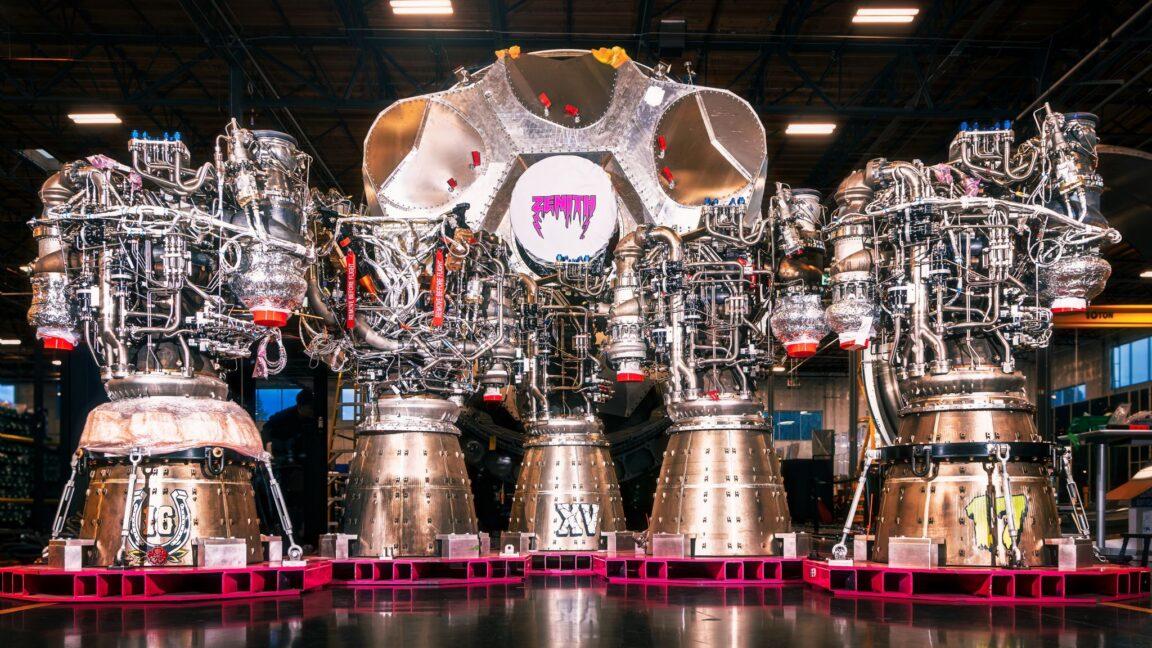
The relentless pursuit of space access is often marked by a cadence of both triumph and setback. While the broader industry navigates the inherent complexities of orbital mechanics and hardware reliability, specific advancements continue to push the boundaries of what is economically and operationally feasible.
Against this backdrop, Stoke Space recently announced a significant achievement in its engine development program. The Kent, Washington-based company, known for its focus on fully reusable rocket stages, successfully completed a critical hot-fire test of its second-stage engine.
This milestone involved a full-duration firing of their innovative full-flow staged combustion engine, designed for the Nova rocket's upper stage. The test demonstrated sustained thrust and performance parameters essential for orbital operations, moving the company closer to its goal of rapid, repeated space access.
The full-flow staged combustion cycle is notoriously complex, yet offers exceptional efficiency and reusability potential. By burning all propellants through the turbopumps, it allows for cooler engine operation and extended component life, crucial for the demanding environment of multiple re-entries and re-ignitions.
Stoke Space's Nova rocket aims to deliver a fully reusable second stage capable of returning to the launch site, dramatically reducing the cost and turnaround time between missions. This engineering feat, if successful in flight, promises to make satellite deployment and cargo delivery to orbit as routine as commercial air freight.
"The engine's successful test moves us closer to a fully reusable second stage, which will fundamentally change space access."
The practical implications for off-world inhabitants are substantial. The consistent, cost-effective transport of resources, equipment, and even personnel will no longer be an extraordinary undertaking. Instead, it could become a predictable, scheduled service, akin to ground-based logistics, enabling the sustained growth of lunar outposts and orbital stations. The roar of a rocket engine, once a symbol of audacious departure, now hints at the rhythm of return.
Related Reading

Space Tech
Geopolitical Realities Ascend in the Off-World Sphere
Journalist Tim Marshall offers a stark assessment of national interests shaping the future of space.

Space Tech
Lunar Regolith 3D Printing: Crafting Future Habitats from Moon Dust
New advancements in in-situ resource utilization allow for the 3D printing of structural components using lunar soil, heralding a new era for off-world architecture and sustainable habitation.

Space Tech
Hera Reveals Asteroid's Post-Impact Transformation
The European Space Agency's Hera mission has arrived at Dimorphos, observing the profound changes wrought by NASA's DART impact. The findings offer critical data for planetary defense strategies.