Space Tech|Issue 04
Mars Fleet Imperiled: Half of NASA's Aging Probes Face Technical Standstill
The long-term viability of off-world infrastructure is tested as NASA's Mars missions encounter significant operational challenges.
- By
- ARTEMIS TOKYO Editors
- Dateline
- TOKYO, NOVEMBER 24, 2026
- Date
- November 24, 2026
- Time
- 4 min read
Source
Ars Technica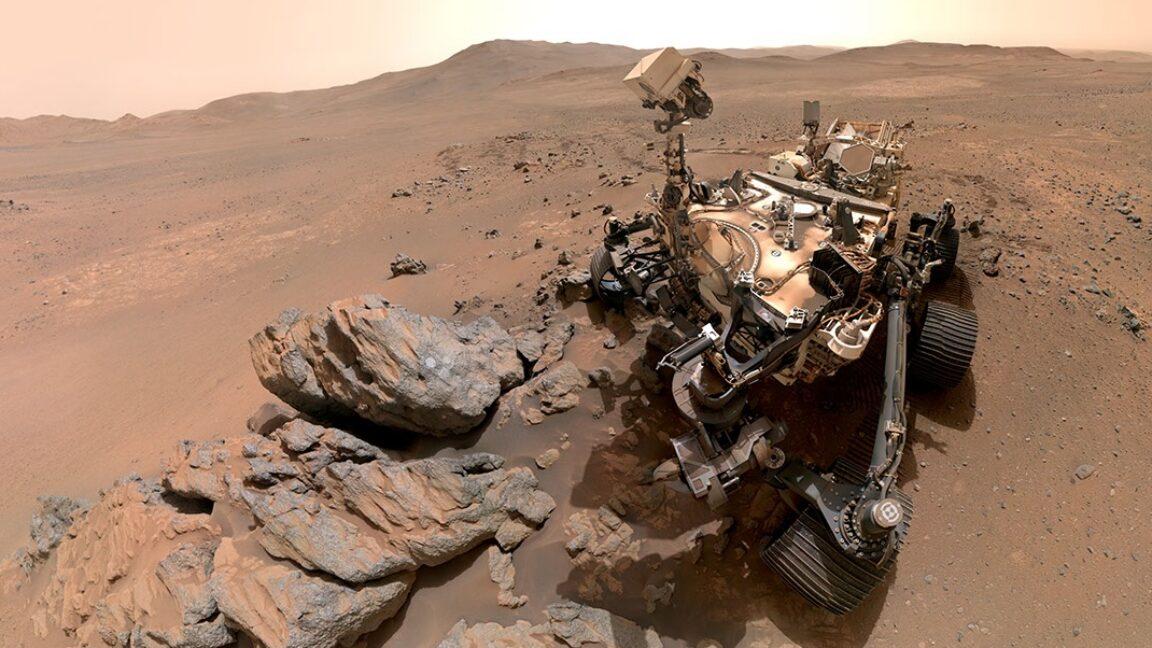
Mars, a planet of enduring fascination, has long been a destination for robotic exploration. Decades of missions have pieced together its geological history and atmospheric dynamics, building a foundation for eventual human presence. These distant outposts, however, operate under extreme conditions, far from easy repair.
A recent dispatch indicates that half of NASA's operational Mars fleet has encountered significant technical issues, leading to their being knocked offline. This represents a substantial setback for ongoing scientific observation and data collection efforts, which rely on a continuous stream of information from the Red Planet.
The term "aging fleet" underscores the challenge of long-duration space operations. Missions launched years or even decades ago, designed for finite lifespans, are now succumbing to the cumulative effects of radiation, thermal cycling, and mechanical wear. The specific nature of the malfunctions remains undisclosed, but they point to critical system failures.
The immediate consequence is a reduction in our ability to monitor Martian weather patterns, analyze surface composition, and relay data from surface assets. Each lost connection means a gap in the tapestry of scientific understanding, potentially delaying discoveries or hindering the comprehensive mapping required for future human landings.
Half of NASA's aging Mars fleet has been "knocked offline by technical issues," according to the original report.
The silence that follows the loss of a distant probe is profound, a reminder of the vast, indifferent vacuum it once navigated. This incident is a stark illustration of the inherent fragility of remote infrastructure. The costs of replacing these sophisticated probes are immense, both financially and in terms of the years required for design, construction, and launch.
For those contemplating life beyond Earth, this situation offers a crucial lesson. Future off-world settlements, whether on Mars or the Moon, cannot afford to rely solely on Earth-based resupply and repair. The imperative shifts towards designing habitats and operational systems with inherent redundancy, modularity, and on-site repair capabilities. The ability to fabricate spare parts from local resources or to send out autonomous repair drones will become not a luxury, but a fundamental requirement for survival and sustained presence.
Related Reading

Space Tech
Geopolitical Realities Ascend in the Off-World Sphere
Journalist Tim Marshall offers a stark assessment of national interests shaping the future of space.

Space Tech
Lunar Regolith 3D Printing: Crafting Future Habitats from Moon Dust
New advancements in in-situ resource utilization allow for the 3D printing of structural components using lunar soil, heralding a new era for off-world architecture and sustainable habitation.

Space Tech
Hera Reveals Asteroid's Post-Impact Transformation
The European Space Agency's Hera mission has arrived at Dimorphos, observing the profound changes wrought by NASA's DART impact. The findings offer critical data for planetary defense strategies.