Space Tech|Issue 04
Lyra Systems Aims to Bridge the 'Valley of Death' for Space Technologies
A new agreement with the DoD seeks to provide crucial funding pathways for early-stage aerospace innovations, accelerating the development of future off-world infrastructure.
- By
- ARTEMIS TOKYO Editors
- Dateline
- WASHINGTON D.C. / TOKYO — November 10, 2026
- Date
- November 10, 2026
- Time
- 3 min read
Source
Payload
The journey from a promising idea to a viable product is often fraught, especially in the capital-intensive aerospace sector. Many innovative space ventures falter not due to technical failure, but a lack of sustained funding at critical junctures.
Addressing this challenge, Lyra Systems has emerged from its stealth phase. The company announced a strategic agreement with the U.S. Department of Defense (DoD) on November 10, 2026.
This partnership aims to bridge what is commonly known as the “Valley of Death” in technology development. This term describes the precarious period where early-stage research has proven its concept, but requires substantial capital to scale into a market-ready solution.
While specific financial figures were not disclosed, the agreement’s intent is to provide a structured pathway for nascent space technologies. It seeks to ensure that promising innovations, once validated, receive the necessary support to mature without collapsing under financial strain.
The agreement with the DoD is aimed at helping early-stage technologies traverse unscathed across the Valley of Death.
This initiative could significantly accelerate the development cycle for critical components and systems. It offers a lifeline to startups that might otherwise struggle to secure the large, often patient capital required for space-grade qualification and production. For those envisioning life off-world, this mechanism holds profound implications. Cheaper, more reliable access to capital means faster iteration on everything from life support systems and modular habitats to advanced robotics and in-situ resource utilization. The very texture of an orbital habitat, the efficiency of its air recycling, or the durability of its 3D-printed components could be directly influenced by a more fluid funding landscape. It promises a future where the physical infrastructure of space settlement is built on a broader, more diverse foundation of innovation.
Related Reading

Space Tech
Geopolitical Realities Ascend in the Off-World Sphere
Journalist Tim Marshall offers a stark assessment of national interests shaping the future of space.

Space Tech
Lunar Regolith 3D Printing: Crafting Future Habitats from Moon Dust
New advancements in in-situ resource utilization allow for the 3D printing of structural components using lunar soil, heralding a new era for off-world architecture and sustainable habitation.
Space Tech
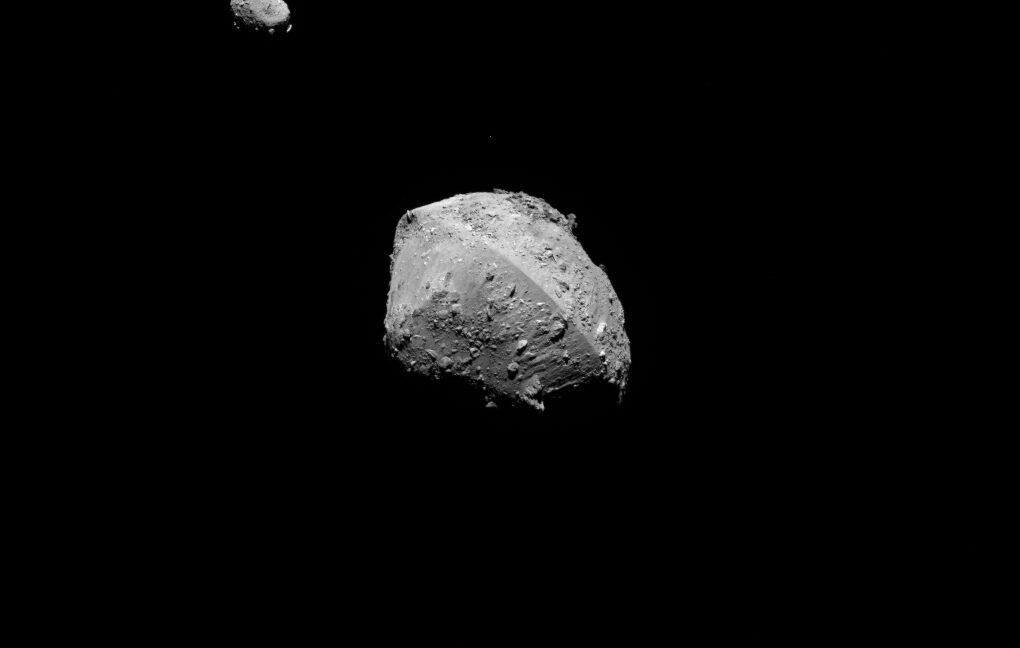
Hera Reveals Asteroid's Post-Impact Transformation
The European Space Agency's Hera mission has arrived at Dimorphos, observing the profound changes wrought by NASA's DART impact. The findings offer critical data for planetary defense strategies.