Space Tech|Issue 04
Lunar Regolith Printing Advances: A New Era for Off-World Aesthetics
European researchers demonstrate a 3D printing method capable of creating intricate, textured lunar habitats, hinting at a future where off-world living spaces are not merely functional, but also beautiful.
- By
- ARTEMIS TOKYO Editors
- Dateline
- Cologne, November 20, 2026
- Date
- November 20, 2026
- Time
- 5 min read
Source
Space.com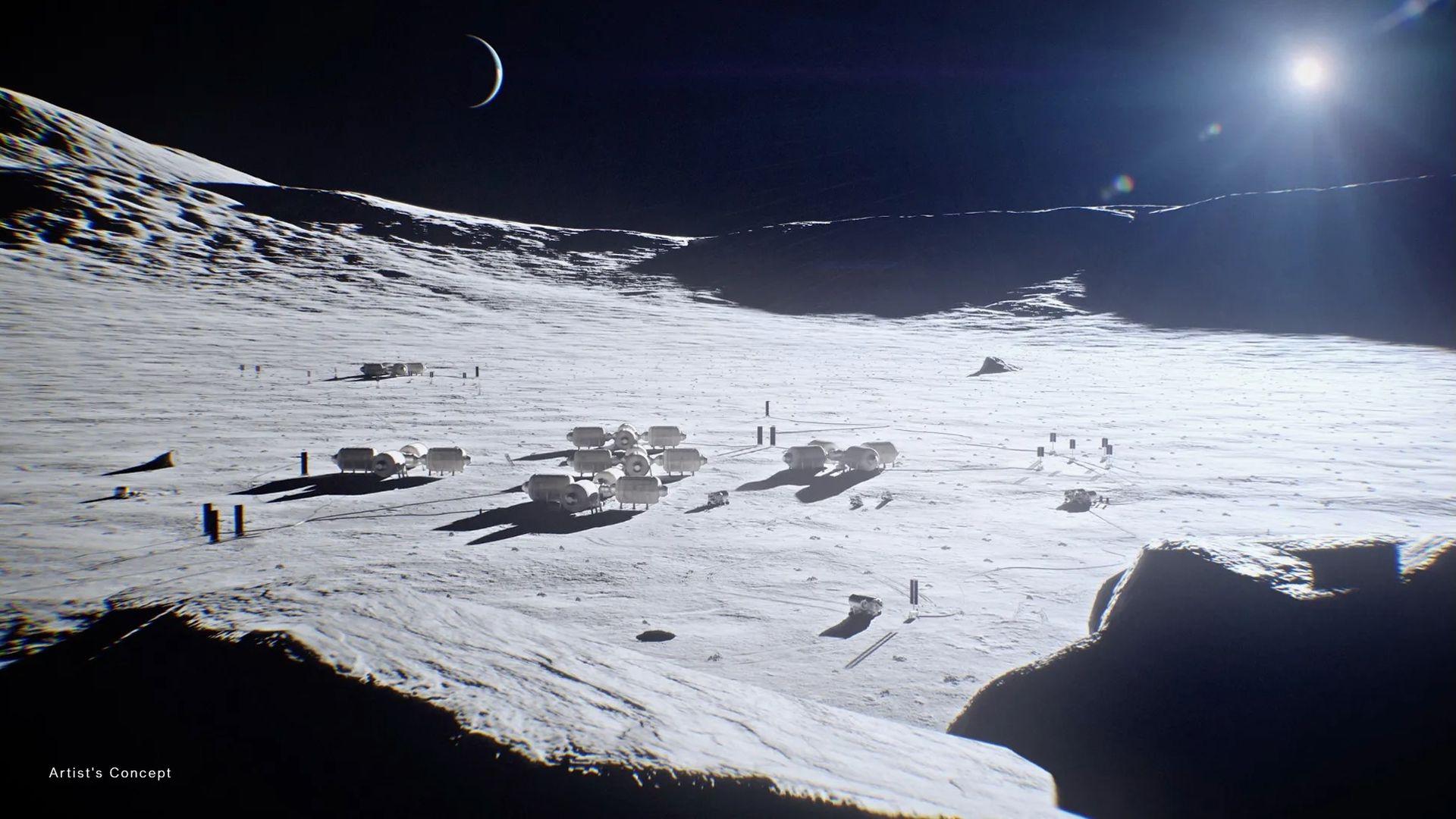
The vision of off-world living has long been dominated by the stark geometry of utilitarian structures. Habitats conceived for the Moon or Mars typically prioritize resilience and function, often at the expense of aesthetic comfort. A recent demonstration by the European Space Agency (ESA) and its partner, LunarCrete Innovations, suggests this perception may soon shift.
At the Regolith Dynamics Lab in Cologne, a new additive manufacturing system, dubbed ARES-X, successfully completed a large-scale printing exercise. The system extruded a 10-meter diameter dome section from simulated lunar regolith within 72 hours. This was not merely a test of structural integrity, but of an advanced print head designed for unprecedented surface precision.
The innovation lies in the ARES-X system's ability to create complex interior textures and non-standard geometries directly from local materials. Traditional 3D printing for construction often produces monolithic, unadorned surfaces. This new method allows for the integration of aesthetic elements, from subtle patterns to bespoke curvatures, into the very fabric of a habitat.
"This technology allows us to infuse local materials with a sense of place and personal expression," stated the original report.
This capability marks a departure from earlier concepts that relied on importing pre-fabricated modules or applying interior finishes post-construction. By leveraging the Moon's abundant regolith, ARES-X promises to drastically reduce the mass of materials that need to be launched from Earth, potentially by over 90% for structural elements.
For those who will live and work off-world, this development redefines the very notion of a habitat. It moves beyond a mere shelter to a space capable of reflecting cultural identity and personal preference. The sterile, uniform interiors of science fiction could give way to environments with character, texture, and a tangible sense of home. This subtle shift in architectural possibility may prove as vital to long-term well-being as any life support system.
Related Reading

Space Tech
Geopolitical Realities Ascend in the Off-World Sphere
Journalist Tim Marshall offers a stark assessment of national interests shaping the future of space.

Space Tech
Lunar Regolith 3D Printing: Crafting Future Habitats from Moon Dust
New advancements in in-situ resource utilization allow for the 3D printing of structural components using lunar soil, heralding a new era for off-world architecture and sustainable habitation.
Space Tech
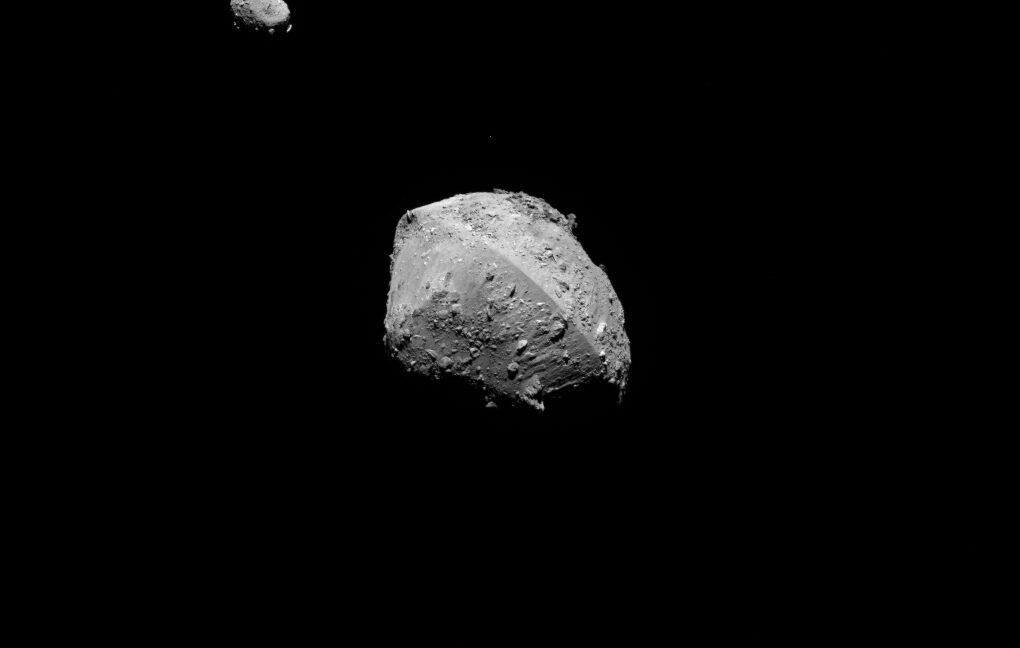
Hera Reveals Asteroid's Post-Impact Transformation
The European Space Agency's Hera mission has arrived at Dimorphos, observing the profound changes wrought by NASA's DART impact. The findings offer critical data for planetary defense strategies.