Space Tech|Issue 04
Electric Currents to the Moon: A New Era for Lunar Logistics
A recent test of an advanced electric propulsion system promises to redefine the economics and feasibility of lunar cargo delivery, setting the stage for permanent off-world infrastructure.
- By
- ARTEMIS TOKYO Editors
- Dateline
- TOKYO
- Date
- November 20, 2026
- Time
- 3 min read
Source
Space.com
The vast silence of space, often broken by the roar of chemical rockets, may soon find a new, quieter companion. A private aerospace firm, AeroLune Dynamics, recently announced the successful ground test of its 'Lunar Hauler' demonstration unit, an electric propulsion system designed to transport cargo to the Moon with unprecedented efficiency.
Unlike the powerful but fuel-intensive bursts of traditional rockets, electric propulsion systems like the Hall effect thruster accelerate plasma to generate thrust. This method, while slower in initial acceleration, offers significant advantages over long distances, consuming far less propellant mass for a given payload.
The recent test, conducted in a simulated vacuum environment, demonstrated critical performance metrics. AeroLune Dynamics reported that their system could reduce transit times for a 5-ton lunar payload by 30% and improve fuel efficiency by 40% compared to conventional chemical propulsion methods for similar missions.
This shift represents a crucial step for sustained lunar operations. Current methods necessitate large amounts of chemical fuel, occupying valuable payload capacity. An electric hauler, by contrast, frees up this capacity for more equipment, supplies, or even structural components for lunar habitats.
"This system promises a fundamental shift in the cost equation for lunar missions," the original report noted.
The implications for establishing permanent lunar outposts are profound. Cheaper, more frequent deliveries of construction materials, life support components, and scientific instruments become feasible. The logistical bottleneck that has long constrained off-world settlement begins to ease.
For those who will eventually live and work on the Moon, this means a future less defined by scarcity and more by stability. The texture of their daily lives, from the reliability of their food supplies to the possibility of more expansive, comfortable habitats, will be shaped by the quiet, persistent hum of these electric vessels. It suggests a future where the lunar frontier feels less like a temporary camp and more like a nascent home, built with the predictable rhythm of orbital freight.
Related Reading

Space Tech
Geopolitical Realities Ascend in the Off-World Sphere
Journalist Tim Marshall offers a stark assessment of national interests shaping the future of space.

Space Tech
Lunar Regolith 3D Printing: Crafting Future Habitats from Moon Dust
New advancements in in-situ resource utilization allow for the 3D printing of structural components using lunar soil, heralding a new era for off-world architecture and sustainable habitation.
Space Tech
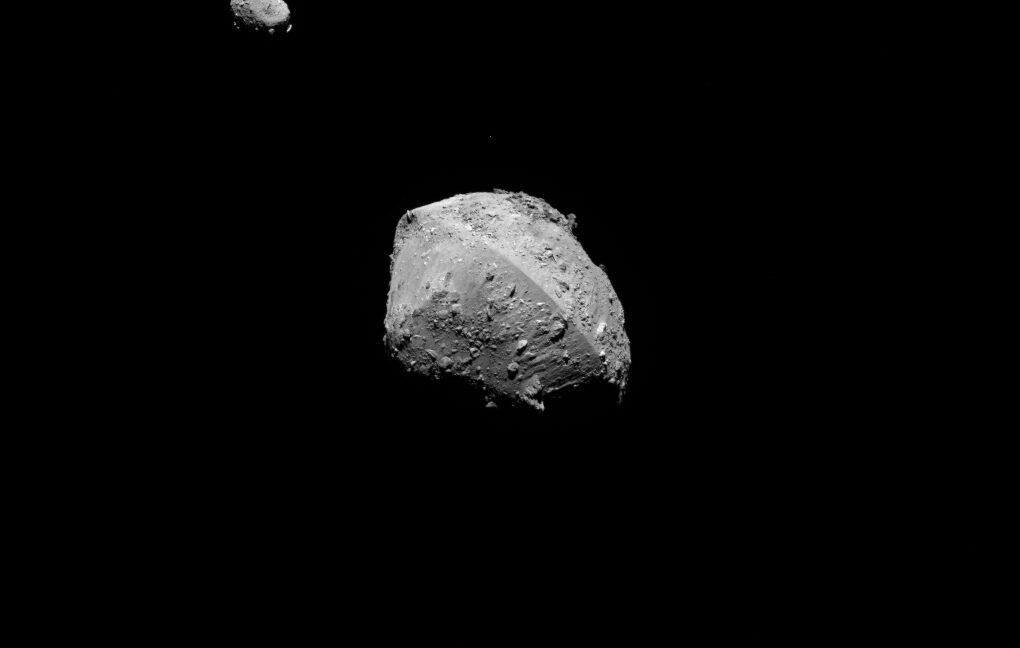
Hera Reveals Asteroid's Post-Impact Transformation
The European Space Agency's Hera mission has arrived at Dimorphos, observing the profound changes wrought by NASA's DART impact. The findings offer critical data for planetary defense strategies.