Space Tech|Issue 04
The Resilient Shell: A New Defense for Spacecraft
Researchers are exploring bio-inspired materials, drawing lessons from the humble eggshell to develop advanced shielding against orbital debris and micrometeoroids.
- By
- ARTEMIS TOKYO Editors
- Dateline
- Tokyo / September 2026
- Date
- September 8, 2026
- Time
- 4 min read
Source
Ars Technica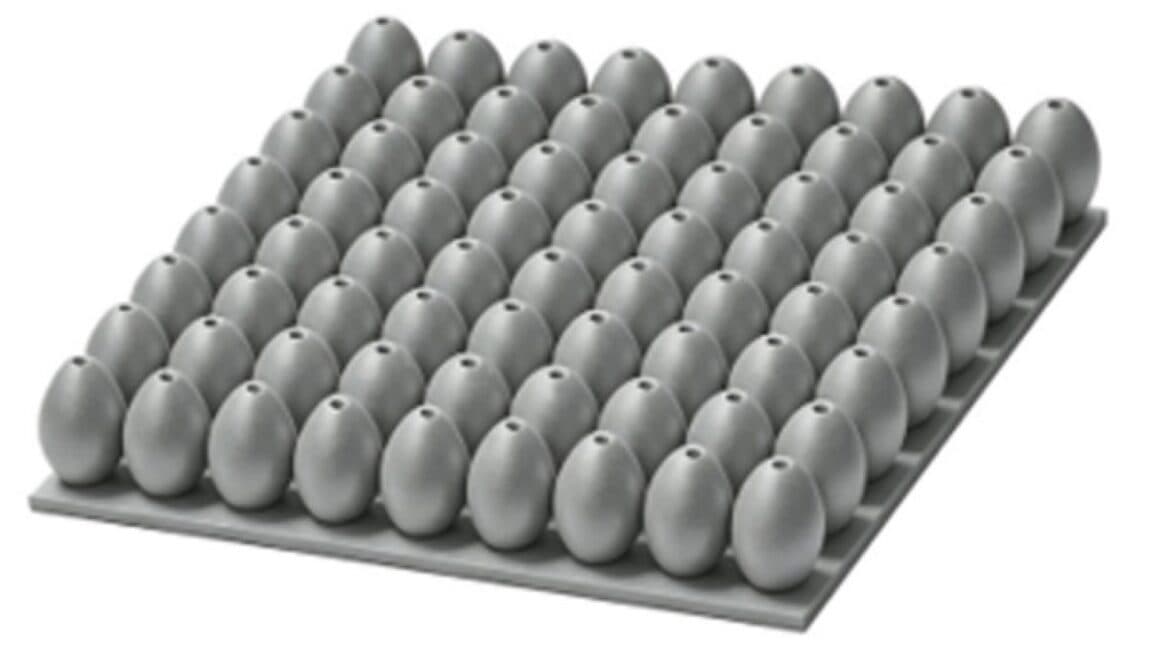
The vacuum of space, while vast, is far from empty. Micrometeoroids and orbital debris, traveling at hypervelocities, pose a constant and significant threat to spacecraft, from satellites to crewed habitats.
Traditional shielding solutions, such as the multi-layered Whipple shield, offer effective protection but often come with a considerable mass penalty. This added weight directly impacts launch costs and reduces the available payload capacity for scientific instruments or crew supplies.
New research is now turning to biomimicry, drawing inspiration from the natural world to solve engineering challenges. Specifically, the layered, composite structure and inherent resilience of an ordinary eggshell are providing a blueprint for next-generation spacecraft protection.
This novel material aims to combine lightweight properties with exceptional strength and, crucially, the potential for self-repair after minor impacts. The layered architecture, similar to bone or shell, can dissipate energy more effectively than monolithic materials.
"The goal is a shield that not only deflects but actively mitigates damage, much like biological structures do."
Such advancements are not merely academic; they are vital for the viability of long-duration missions and the establishment of permanent off-world habitats. Reduced mass in shielding translates directly to lower launch expenses and greater operational flexibility.
A Safer Future Off-World
For those who will eventually live, work, and raise families beyond Earth, this technology promises enhanced safety and durability for their homes and vehicles. Imagine a lunar habitat or a Mars transit vehicle whose exterior can autonomously repair micro-fractures caused by dust or small impacts, extending its lifespan and reducing maintenance needs. This prospect of structures that can self-repair offers a tangible sense of security against the constant, abrasive threat of the void.
Related Reading

Space Tech
The Soft Architecture of Orbital Living
New inflatable habitat modules prioritize psychological well-being alongside structural integrity, hinting at a future where off-world spaces are designed for comfort, not just survival.

Space Tech
Orbital Resilience: The Prospect of Long-Lived Space Debris
A recent speculative report from Futurism highlights the potential for new forms of orbital pollution, raising questions about the long-term sustainability of space operations and the future of off-world habitation.

Space Tech
DeepDrive Engine Promises Shorter Martian Journeys, Reshaping Off-World Life
A new ion propulsion system from Aether Dynamics could cut transit times to Mars by two-thirds, fundamentally altering the economics and human experience of interplanetary travel.