Space Culture|Issue 04
The Aura Module: Designing for Life, Not Just Survival, in Orbit
A new orbital habitat concept prioritizes human comfort and psychological well-being, marking a significant shift in space architecture from pure utility to livability.
- By
- ARTEMIS TOKYO Editors
- Dateline
- November 15, 2026, Low Earth Orbit
- Date
- November 15, 2026
- Time
- 4 min read
Source
Space.com
The stark, utilitarian aesthetic long associated with orbital living may soon yield to a more considered approach. For decades, space habitats prioritized functionality, a necessity dictated by the unforgiving environment and engineering constraints. Now, as long-duration missions become a tangible reality, the human element is taking precedence.
A recent unveiling by Orbital Living Solutions (OLS), a European consortium, introduces the 'Aura Habitat Module,' a design concept aimed at fostering psychological well-being in space. Scheduled for a preliminary deployment in Low Earth Orbit by 2030, the module represents a shift in how living spaces off-world are conceived.
The Aura module boasts an internal volume of 100 cubic meters, designed to comfortably house a crew of four for rotations extending up to three months. This compares favorably to early ISS modules, which were primarily engineered for scientific payload rather than extended human comfort. OLS claims a 30% increase in usable volume per ton of mass compared to previous generations of orbital structures.
Central to the Aura concept is its emphasis on sensory experience. Interior surfaces feature textured panels that mimic natural wood grain, while sophisticated circadian lighting systems dynamically shift from dawn to dusk hues, aiming to mitigate the disorientation of constant orbital day-night cycles. Acoustic dampening materials are integrated throughout, addressing a pervasive overlooked stressor in confined environments.
"The goal is to create environments where astronauts don't just survive, but thrive," stated the original report, underscoring a shift towards holistic human integration. Adaptable partitions allow crew members to reconfigure their private and communal spaces, acknowledging the need for both solitude and interaction.
For those who will eventually live and work beyond Earth, this evolution in habitat design portends a fundamental change in the texture of their daily lives. Future off-world communities may not be defined solely by their technological prowess, but by the thoughtful integration of aesthetic comfort and psychological resilience. The design of a door handle, the feel of a wall, or the quality of artificial light will become as critical as life support systems, shaping the very culture of extraterrestrial existence.
Related Reading
Space Culture
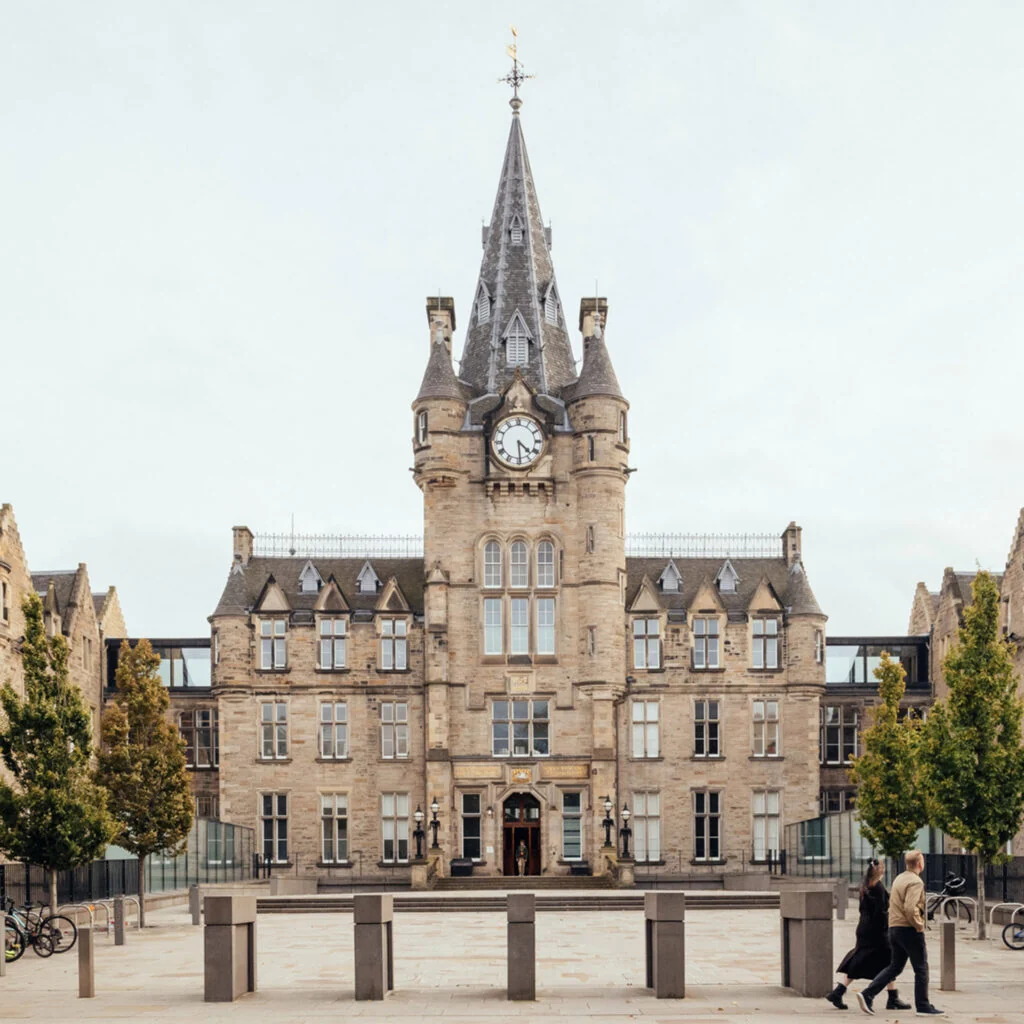
Edinburgh's Best New Building: A Lesson in Adaptive Reuse for Off-World Habitats
A Victorian hospital in Scotland, transformed into a modern educational facility, wins a prestigious architecture award, offering insights into durable design and the human need for continuity in built environments.
Space Culture
Starlight Haven: Orbital Luxury Redefines Space Living
A private consortium unveils plans for the first commercially viable orbital hotel, integrating advanced materials and terrestrial architectural design.
Space Culture
Starlab Oasis: Crafting a Home in Orbit
A new orbital habitat module, Starlab Oasis, prioritizes human well-being and aesthetic comfort, moving beyond purely functional designs to envision future off-world living spaces.