Space Tech|Issue 04
NASA's Martian Pivot: Helicopters Ascendant in Future Exploration
As traditional lander and rover development faces new challenges, NASA's Mars program looks to aerial platforms, inspired by Ingenuity's success.
- By
- ARTEMIS TOKYO Editors
- Dateline
- WASHINGTON D.C.
- Date
- September 1, 2026
- Time
- 4 min read
Source
Ars Technica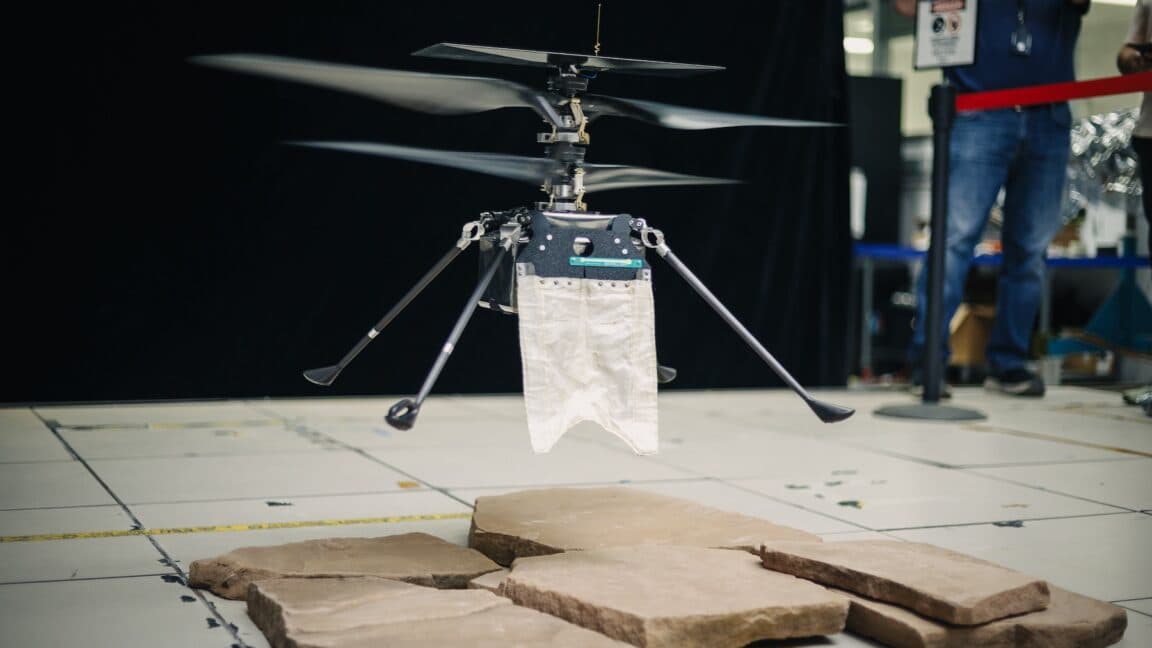
The Martian landscape, vast and unforgiving, has long challenged humanity's reach. For decades, wheeled rovers have meticulously crawled across its surface, gathering invaluable data and expanding our understanding of the red planet.
A significant strategic pivot is now emerging within NASA's Mars exploration program. The agency is reportedly re-evaluating its reliance on traditional landers and rovers for future missions, considering a greater emphasis on aerial platforms.
This shift is largely influenced by the unexpected success of the Ingenuity helicopter, which has far exceeded its initial mission parameters. Ingenuity demonstrated the agility and expanded reach of airborne exploration, proving that flying on Mars is not only possible but highly effective.
The challenges associated with developing new, complex lander and rover systems, particularly for ambitious endeavors like sample return, appear to be prompting this reconsideration. Traditional approaches, exemplified by missions like Perseverance, require intricate descent and precise ground navigation.
"Without new landers or rovers, it's helicopters or bust for NASA's Mars program."
Helicopters, by contrast, offer the potential to access rugged terrain, bypass obstacles, and survey wider areas more rapidly. This capability is invaluable for site selection, geological reconnaissance, or retrieving samples from difficult locations that ground vehicles cannot reach.
For future Martian inhabitants, this strategic shift carries profound implications. The ability to conduct rapid, wide-area reconnaissance via aerial vehicles could redefine how early settlements scout resources, plan infrastructure, or even respond to localized hazards. It suggests a future where the Martian sky, not just its surface, becomes a primary domain for exploration and logistics, altering the very texture of off-world operations.
Related Reading

Space Tech
The Soft Architecture of Orbital Living
New inflatable habitat modules prioritize psychological well-being alongside structural integrity, hinting at a future where off-world spaces are designed for comfort, not just survival.

Space Tech
Orbital Resilience: The Prospect of Long-Lived Space Debris
A recent speculative report from Futurism highlights the potential for new forms of orbital pollution, raising questions about the long-term sustainability of space operations and the future of off-world habitation.

Space Tech
DeepDrive Engine Promises Shorter Martian Journeys, Reshaping Off-World Life
A new ion propulsion system from Aether Dynamics could cut transit times to Mars by two-thirds, fundamentally altering the economics and human experience of interplanetary travel.