Artemis Program|Issue 04
NASA's Lunar Blueprint: Unanswered Questions on the Path to a Permanent Moon Presence
As the Artemis program progresses, NASA continues to refine its strategy for human return to the Moon, yet critical aspects of long-term sustainability and resource utilization still await definitive answers.
- By
- ARTEMIS TOKYO Editors
- Dateline
- Tokyo, November 20, 2026
- Date
- November 20, 2026
- Time
- 3 min read
Source
Ars Technica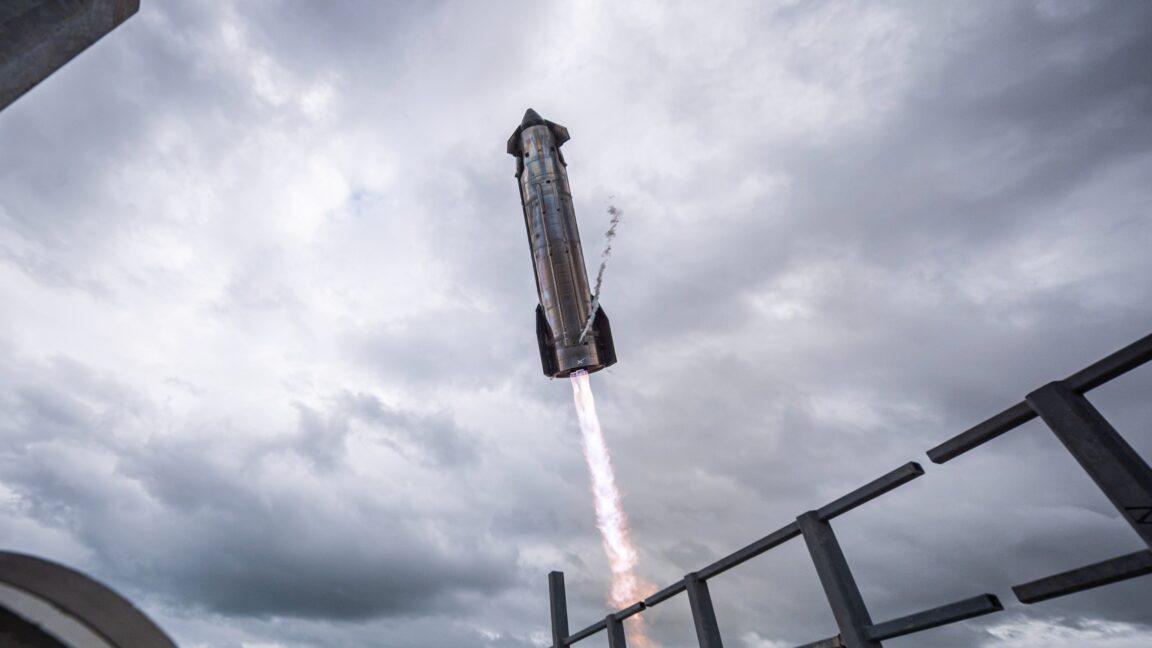
A new era of lunar exploration is taking shape, far beyond the fleeting visits of the Apollo missions. NASA’s Artemis program envisions a sustained human presence on the Moon, a complex undertaking that requires not just landing capabilities, but the full infrastructure for living and working off-world. This ambition marks a significant departure from previous lunar endeavors, focusing on long-term habitation and resource development.
The agency’s evolving plan integrates the Space Launch System (SLS) rocket, the Orion crew capsule, and the Human Landing System (HLS), which will ferry astronauts to the lunar surface. Complementing these elements is the Lunar Gateway, a small space station orbiting the Moon, intended to serve as a staging point for missions and a research outpost. These components collectively form the backbone of a future lunar ecosystem.
However, the path to a permanent lunar foothold is fraught with logistical and technical challenges. Funding uncertainties, the intricate coordination required among international partners, and the sheer scale of the engineering tasks involved all contribute to the complexity. Establishing reliable power sources, managing lunar dust, and developing closed-loop life support systems remain areas of intense focus and ongoing development.
The vision for Artemis extends beyond scientific research, aiming to lay the groundwork for a lunar economy. This includes the potential extraction of water ice for propellant and life support, and the utilization of lunar regolith for construction materials. Such endeavors are critical for reducing Earth-dependence and enabling true off-world autonomy.
Some big questions remain.
These lingering questions touch upon the very fabric of future lunar society. How will property rights be established on a celestial body? What governance structures will oversee resource extraction? For those who will one day call the Moon home, these policy decisions will dictate everything from the cost of water to the architectural freedoms they possess.
The transition from short-duration visits to permanent settlements shifts the focus from survival to quality of life. Future lunar inhabitants will require more than just oxygen and shelter; they will need resilient supply chains for food, robust communication networks, and a sense of community. The current planning phase, despite its ambiguities, is a foundational step towards defining the parameters of this nascent off-world culture.
Related Reading

Artemis Program
The Quiet Resilience of LunaShield
A new composite material promises safer, lighter lunar habitats, subtly reshaping the future of off-world living.
Artemis Program
A New Lunar Dwelling Takes Shape
An international consortium unveils an inflatable habitat designed for the lunar south pole, promising extended stays and reduced resupply needs for future inhabitants.

Artemis Program
Canada's Commercial Rovers Edge Closer to Lunar Deployment
A Canadian consortium completes its initial study for lunar utility rovers, signaling a tangible step towards a more autonomous and commercially supported presence on the Moon under the Artemis program.