Space Culture|Issue 04
Modular Elegance in Constrained Space: A Manhattan Bar’s Off-World Implications
A new cocktail lounge in Chelsea utilizes USM Haller's modular system to craft an intimate environment, offering a glimpse into adaptive design principles vital for future extraterrestrial habitats.
- By
- ARTEMIS TOKYO Editors
- Dateline
- NEW YORK
- Date
- October 8, 2026
- Time
- 3 min read
Source
Dezeen
In the heart of Manhattan's Chelsea district, a new cocktail room named VV's has opened its doors, presenting an intimate space defined by a singular design philosophy. Restaurateur Josh Greenspan, drawing inspiration from his travels to Japan and Hong Kong, collaborated with furniture company USM to realize a vision of compact efficiency and refined aesthetics.
Almost the entirety of VV's, a venue seating just 18 guests, is enveloped in the distinctive Steel Blue USM Haller modular shelving system. This choice transforms walls into functional, adaptable surfaces, blurring the lines between structure and furnishing. The system's clean lines and industrial-yet-elegant finish dictate the room's character, creating a cohesive, immersive experience.
The adoption of a fully modular system like USM Haller speaks to a growing appreciation for adaptability and spatial optimization. In urban environments where footprint is at a premium, such designs offer flexibility, allowing for easy reconfiguration and expansion without extensive renovation. This approach minimizes waste and maximizes utility within a confined area.
The design is informed by Greenspan's visits to Japan and Hong Kong.
This deliberate design choice, prioritizing modularity and efficient use of space, holds particular relevance for environments far beyond Earth. Off-world habitats, whether on the Moon or Mars, will inherently be defined by strict volume and mass constraints. Every surface must serve multiple purposes; every component must be easily assembled, reconfigured, or replaced.
For those who will eventually live, work, and raise families in these extraterrestrial settings, the lessons from VV's are profound. The ability to customize a living module, to shift a wall or re-task a storage unit with minimal effort, will not merely be a convenience but a necessity for psychological well-being and practical function. It suggests a future where our personal spaces, even in the most extreme conditions, can still reflect a sense of order and adaptable beauty.
Related Reading
Space Culture
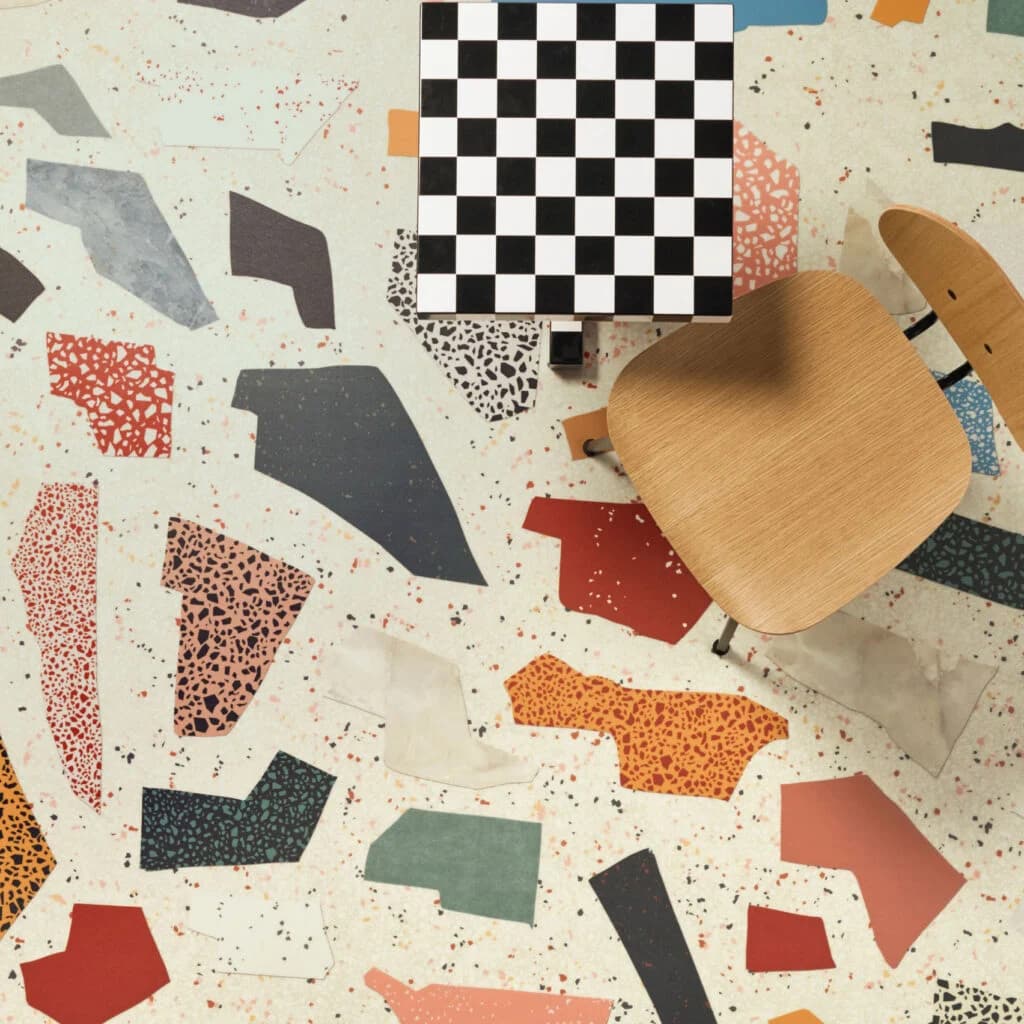
Custom Flooring: Crafting Identity in Confined Spaces
Forbo Flooring Systems introduces advanced customization, transforming floors into narrative canvases crucial for future off-world habitats.

Space Culture
Architectural Echoes: Chennai's Community Hub Points to Off-World Design
A new community center in Chennai, India, demonstrates how locally sourced materials and climate-responsive design can foster social connection—a blueprint for future off-world habitats.

Space Culture
From Waste to Sustenance: 3D-Printed Cookies for Deep Space
NASA-backed research explores transforming plastic and agricultural waste into edible, protein-rich food for future space missions.