Research|Issue 04
Martian Carbon: A Geologic Anomaly or Vestige of Life?
A recent analysis of a Martian rock sample reveals unexpected concentrations of carbon, prompting scientists to reconsider the planet's geological past and potential for life. The origin remains a profound question.
- By
- ARTEMIS TOKYO Editors
- Dateline
- MARS / TOKYO
- Date
- July 4, 2026
- Time
- 5 min read
Source
Ars Technica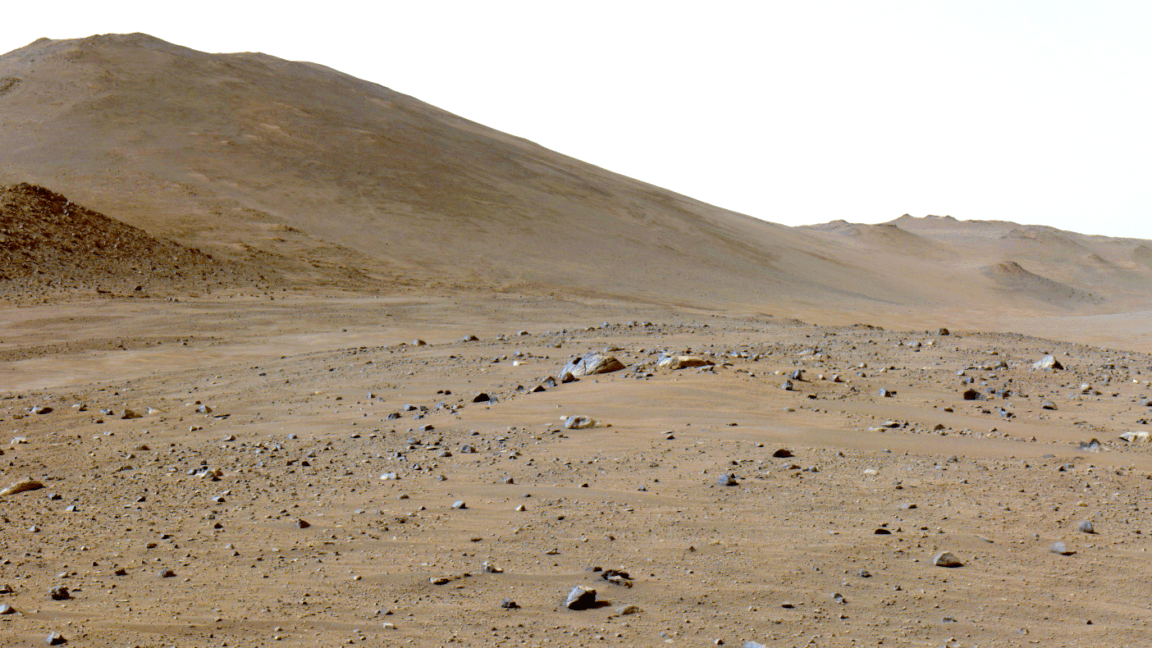
The silent expanse of Mars continues to yield its secrets, one rock sample at a time. The Perseverance rover, diligently exploring the Jezero Crater, has delivered another compelling enigma, shifting our understanding of the red planet's fundamental chemistry.
Recent analyses of a core sample, extracted from a specific Martian rock formation, revealed significant concentrations of carbon. This presence is notable, as the levels detected are several times higher than what is typically observed in the Martian surface regolith.
Scientists are now grappling with two primary hypotheses for this carbon's origin. One suggests an abiotic, geological process, where carbon-rich fluids circulated through ancient Martian crust, depositing the element through hydrothermal activity. This scenario points to a dynamic geological history on Mars.
The alternative, and arguably more profound, hypothesis posits a biological origin. Carbon is the fundamental building block of all known life, and its concentrated presence could be a fossilized signature of ancient microbial ecosystems that once thrived beneath the Martian surface.
The true origin of this carbon remains one of the red planet's most compelling mysteries, pushing the boundaries of our current understanding.
Distinguishing between these two possibilities is critical. If geological, it informs our models of planetary formation and the availability of raw materials for future in-situ resource utilization. If biological, it reshapes humanity’s place in the cosmos.
For those who will one day live and work on Mars, this discovery holds dual significance. Abundant carbon, regardless of its genesis, represents a potential resource for manufacturing construction materials, plastics, or even propellant precursors. Yet, the profound question of Martian life — past or present — introduces an entirely new dimension of ethical and operational considerations for any future settlement, shaping not just what they build, but how they perceive their new home.
Related Reading

Research
A New Horizon in the Search for Life Beyond Earth
Astronomers have identified a new exoplanet with conditions deemed highly favorable for the emergence of life, refining the search for our cosmic neighbors.

Research
Cosmic Ingredients: The Search for Life's Building Blocks Beyond Earth
Astronomers have detected complex organic molecules in space, hinting at the widespread availability of life's fundamental components across the cosmos.
Research
Precision in Orbit: A Satellite's Unseen Dance Confirms Einstein
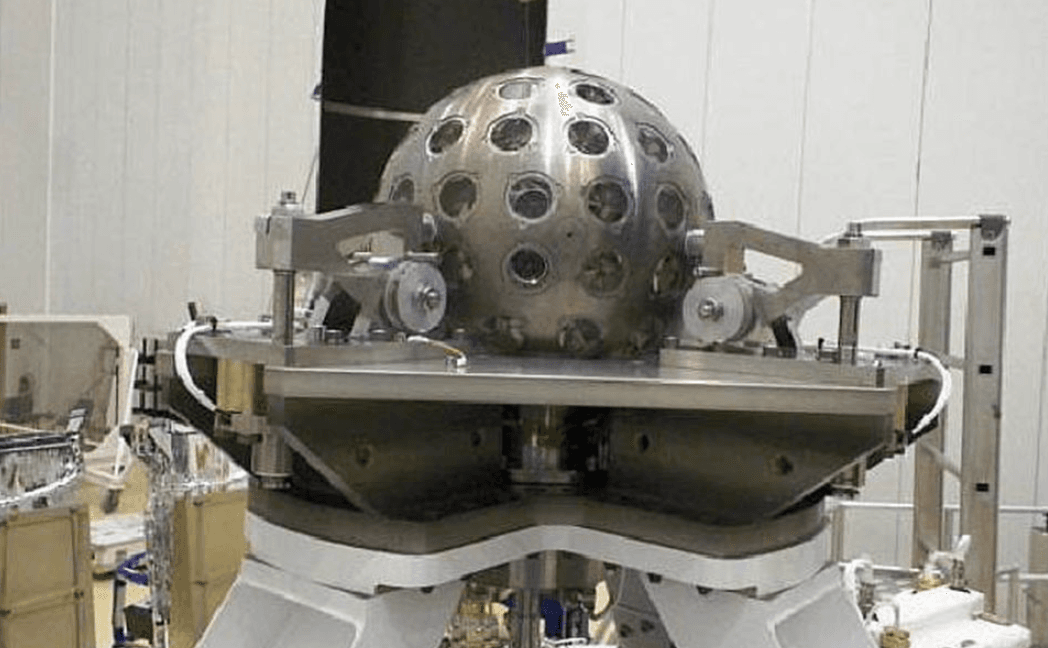
A specialized satellite, reflecting laser pulses across vast distances, has offered the most rigorous examination to date of Einstein's theory of General Relativity, yielding unprecedented precision in understanding the fabric of spacetime.