Artemis Program|Issue 04
Lunar Habitat Design Prioritizes Well-being Beyond Function
A new modular lunar habitat concept, LUNA-M, integrates advanced material science with an emphasis on inhabitant psychology, signaling a shift in off-world architecture.
- By
- ARTEMIS TOKYO Editors
- Dateline
- Geneva, Switzerland
- Date
- July 4, 2026
- Time
- 4 min read
Source
Space.com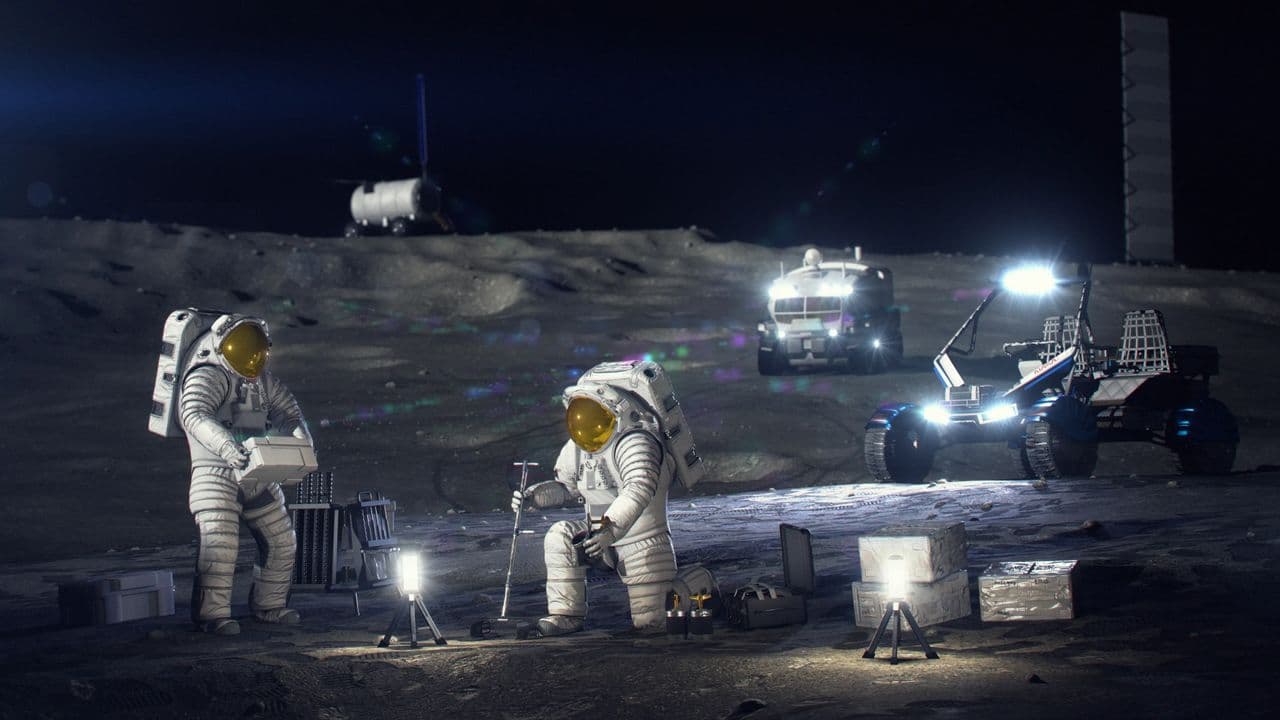
The stark, utilitarian designs often associated with early space exploration are giving way to a more nuanced vision for lunar living. A consortium led by European aerospace firm Lunar Habitation Consortium and Astro-Robotics Japan recently announced the successful completion of critical structural integrity tests for their LUNA-M modular habitat.
This new design moves beyond mere survival, incorporating features aimed at long-duration psychological well-being. LUNA-M emphasizes communal spaces, simulated natural light cycles, and flexible internal partitions that adapt to residents' needs.
Constructed from advanced regolith-derived composites, the habitat promises a significant logistical advantage. Engineers project a 70% reduction in launch mass compared to earlier, purely metallic concepts, streamlining transport costs and assembly on the lunar surface.
A full-scale prototype is slated for deployment on Earth in 2027, simulating lunar conditions. The consortium aims for a first operational deployment on the Moon by 2030, aligning with the Artemis program's objective of establishing a sustained human presence. This marks a departure from the cramped, often windowless environments of past orbital modules.
The focus on adaptable interiors and simulated sensory experiences reflects a deeper understanding of human needs beyond the purely biological. It suggests that future off-world dwellings will be designed not just for habitation, but for living.
The original report highlighted the design's "flexible partitions and personalized environmental controls." This attention to individual comfort within a shared environment points to a future where lunar residents might tailor their immediate surroundings with a degree of agency previously unseen in space architecture. It speaks to a subtle but profound shift in the quality of daily life off-world.
Related Reading
Artemis Program
Lunar Regolith 3D Printing Advances Off-World Habitation
A new 3D printing system leveraging lunar regolith promises to transform off-world construction, enabling more self-sufficient and cost-effective habitats for future lunar settlers.

Artemis Program
Artemis IV: The Unseen Work of Lunar Ascent
The methodical assembly of the Space Launch System's core stage for Artemis IV marks another step towards establishing a sustained lunar presence, revealing the quiet precision behind grand orbital ambitions.

Artemis Program
Mauritius Joins Artemis Accords, Expanding Lunar Governance Consensus
The island nation of Mauritius becomes the 70th signatory to the Artemis Accords, underscoring a growing global alignment on principles for lunar and deep space exploration.