Artemis Program|Issue 04
Lunar Dust, Engineered: The Dawn of Self-Sufficient Habitats
A new 3D printing method promises to transform lunar regolith into durable, expansive structures, reshaping the future of off-world architecture.
- By
- ARTEMIS TOKYO Editors
- Dateline
- Tokyo, May 20, 2026
- Date
- May 20, 2026
- Time
- 4 min read
Source
Space.com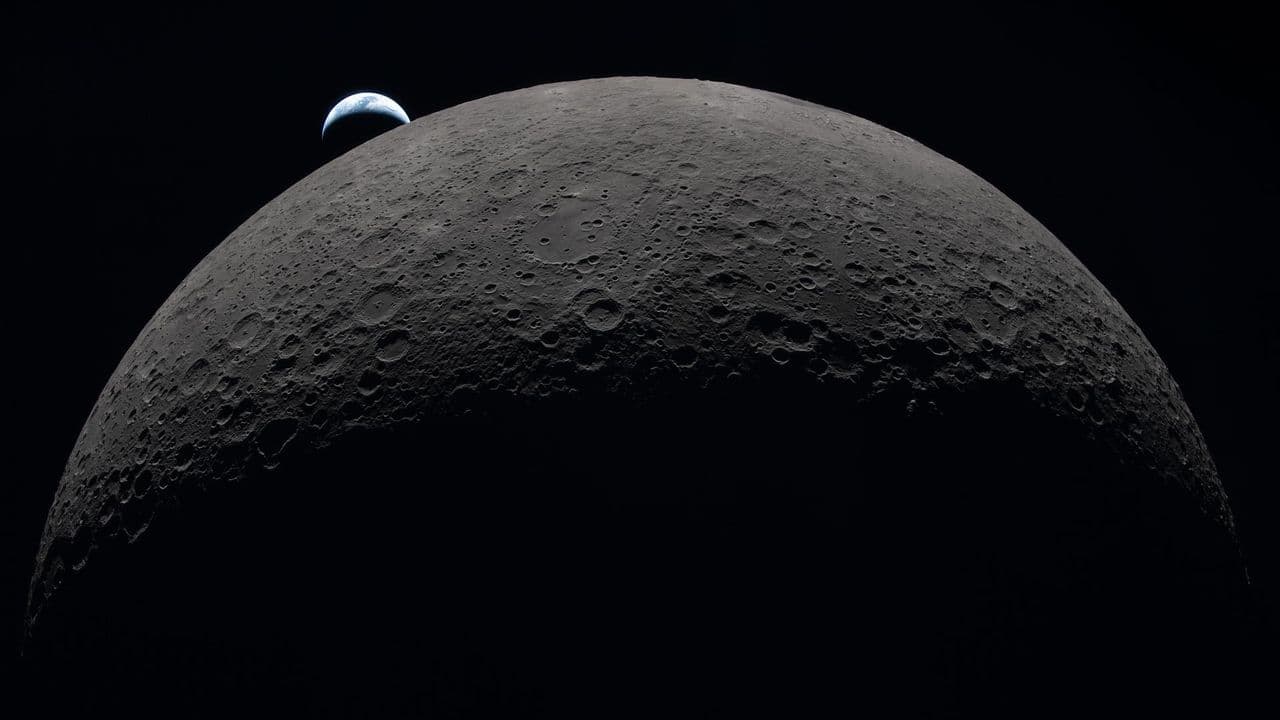
The grey dust of the Moon, long considered an abrasive nuisance to equipment and a challenge for habitation, is being re-evaluated. Recent advancements in sintering technology now allow for the rapid solidification of lunar regolith into robust building blocks.
This breakthrough means that the very surface material of the Moon can be fused to create structures up to 10 meters tall, complete with integrated shielding against radiation and micrometeoroids. It represents a significant step towards reducing reliance on costly Earth-launched modules.
Such a capability arrives as the Artemis program prepares for sustained human presence on the lunar surface. The promise is not merely shelter, but a slow, deliberate unfolding of a new kind of permanence in an environment once thought only for transient visits.
For those who will live and work beyond Earth, this changes the fundamental economics of space settlement. It implies the possibility of custom-designed spaces, perhaps even subterranean dwellings that feel less like capsules and more like homes.
This shift offers a different quality of light, a new sense of scale in daily life, and the quiet assurance of self-reliance. It moves off-world living from a temporary expedition to a place where culture might genuinely begin to take root, shaped by the very ground beneath one's feet.
Related Reading

Artemis Program
The Lunar Narrative: NASA Seeks Creative Voices for Artemis
NASA's call for creatives to shape the Artemis narrative signals a profound shift. The future of lunar living will be defined not just by engineering, but by art, story, and culture.

Artemis Program
The Lunar Accords: Shaping Off-World Governance
As more nations join the Artemis Accords, the foundational rules for human activity beyond Earth are quietly being set, defining the terms of future life on the Moon.

Artemis Program
The Lunar Commons: Artemis Signals a New Era of Access
NASA's call for CubeSats on Artemis missions points to a future where lunar exploration is democratized, shifting the landscape of off-world operations from monolithic state ventures to a more varied ecosystem.