Space Tech|Issue 04
Europe's Commercial Ascent: A New Orbital Player Emerges
A German company's successful orbital launch marks a significant milestone, cementing the private sector's expanding role in space access and setting a new precedent for European commercial spaceflight.
- By
- ARTEMIS TOKYO Editors
- Dateline
- September 6, 2026, Europe
- Date
- September 6, 2026
- Time
- 5 min read
Source
Ars Technica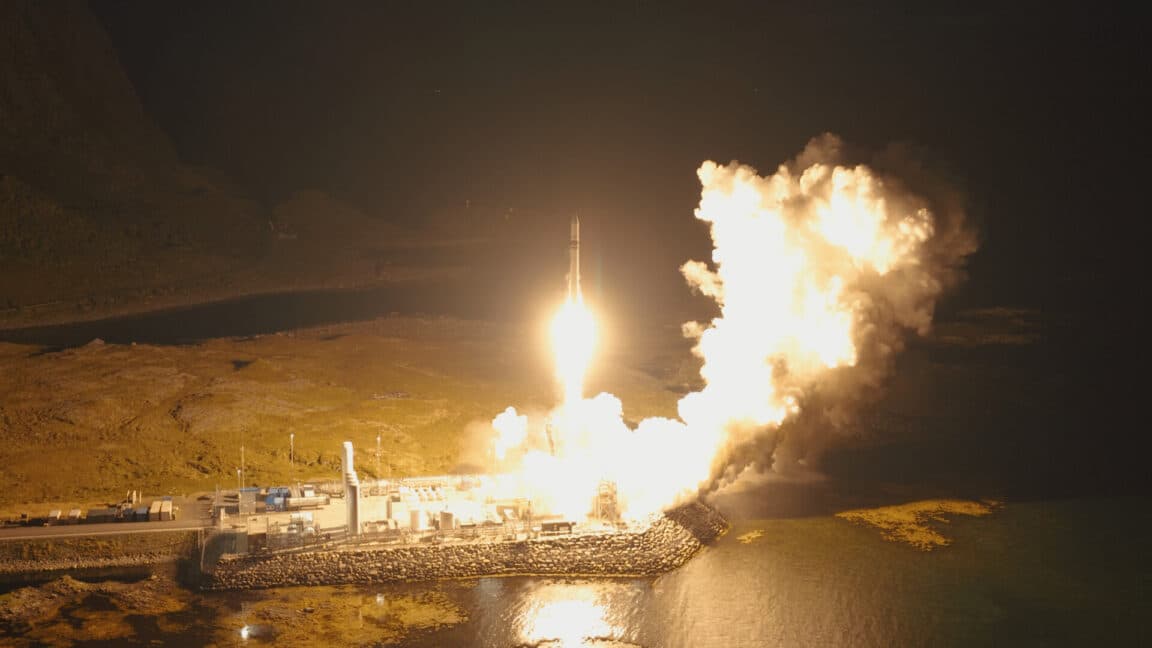
The quiet ascent of a new player in the orbital launch market has arrived. A German company has achieved a significant milestone, becoming the first in Europe to successfully launch a fully commercial orbital rocket. This event, projected for September 6, 2026, marks a deepening of the private sector's role in space access.
For decades, orbital launches were largely the domain of national space agencies and large state-backed contractors. The shift towards private enterprise, spearheaded by companies like SpaceX, has now firmly taken root within Europe, signaling a maturation of the continent's commercial space capabilities.
The launch, while specific in its European context, contributes to a global trend of democratizing access to low Earth orbit. It underscores a future where payload delivery is not solely dependent on government mandates but driven by market demand for satellite deployment and in-orbit services.
German company becomes first in Europe to launch fully commercial orbital rocket.
This particular mission represents a culmination of years of private investment and engineering effort. It bypasses traditional institutional procurement processes, offering a direct commercial pathway for clients seeking dedicated launch opportunities without the complexities often associated with state-led programs.
The implications for off-world inhabitants are subtle but profound. As the cost of placing mass into orbit continues to decrease, and launch cadences increase, the economic viability of establishing permanent off-world infrastructure improves. This includes everything from the delivery of construction materials to the deployment of communication relays essential for lunar or Martian settlements.
What changes is not merely the technology, but the supply chain. The ability for private entities to independently field orbital launch vehicles means a broader, more competitive market. This will eventually translate into lower prices for transporting goods and personnel to orbital habitats and lunar bases, making daily life and commerce beyond Earth more accessible and sustainable. The texture of off-world life will be shaped by the efficiency and affordability of its terrestrial umbilical.
Related Reading

Space Tech
The Soft Architecture of Orbital Living
New inflatable habitat modules prioritize psychological well-being alongside structural integrity, hinting at a future where off-world spaces are designed for comfort, not just survival.

Space Tech
Orbital Resilience: The Prospect of Long-Lived Space Debris
A recent speculative report from Futurism highlights the potential for new forms of orbital pollution, raising questions about the long-term sustainability of space operations and the future of off-world habitation.

Space Tech
DeepDrive Engine Promises Shorter Martian Journeys, Reshaping Off-World Life
A new ion propulsion system from Aether Dynamics could cut transit times to Mars by two-thirds, fundamentally altering the economics and human experience of interplanetary travel.